


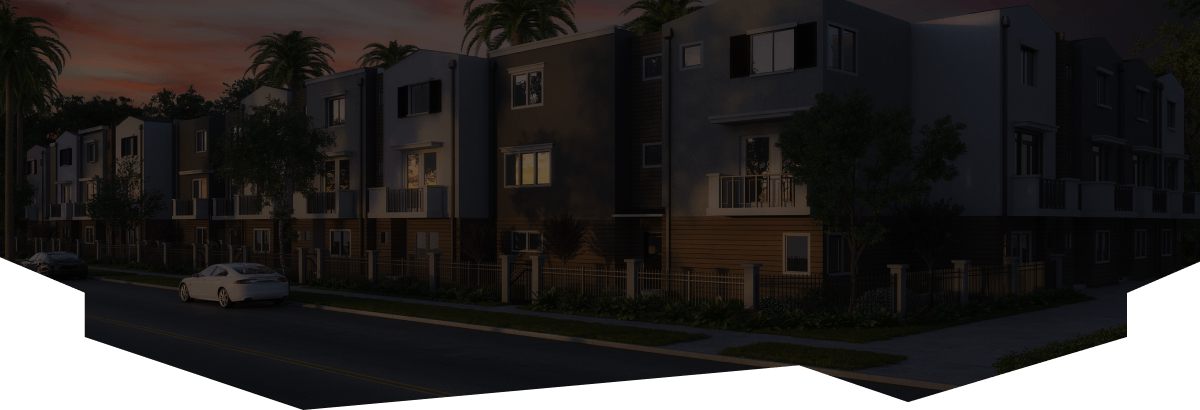
Before you rent out your home, treat it like the business it now is: get the property clean, safe, and repaired; set the right rent for the St. Augustine market; understand Florida’s landlord-tenant rules on deposits and notice; switch to a landlord insurance policy; and build a solid lease and screening process. Do those five things well and you’ll avoid the mistakes that cost first-time St. Johns County landlords thousands in their first year.
Whether you’re moving for a job, inherited a house, or bought a place in St. Johns County specifically to rent, the weeks before your first tenant moves in matter more than almost anything that comes after. Renting out your home isn’t just handing over a key and collecting a check. It’s a switch from “this is where I live” to “this is an investment I operate” — and Florida law, the local rental market, and your own insurance all start treating the property differently the moment you list it.
The good news: none of this is complicated once you see it laid out. After managing hundreds of rentals across St. Augustine, St. Augustine Beach, Nocatee, and the greater St. Johns County area, we’ve watched the same handful of preparation steps separate landlords who cash flow smoothly from those who spend year one putting out fires. Here’s the honest, plain-English version of what to do first.
What’s the very first thing I should do before renting out my home?
Shift your mindset from homeowner to business owner. That single change drives every decision that follows. As a business, your rental has income, expenses, tax implications, legal obligations, and a customer — your tenant. When you think this way, the rest of the checklist stops feeling like a hassle and starts looking like protecting an asset.
Practically, that means three things up front. First, separate your finances: open a dedicated bank account for rent and expenses so you’re not untangling personal and rental money at tax time. Second, decide whether this is a short-term stopgap or a long-term hold, because that changes how much you invest in the property now. Third, get realistic about time. Even a well-run single rental will occasionally call you at 9 p.m. about a water heater — and in coastal Northeast Florida, weather adds its own surprises.
How do I get my home physically ready to rent?
Make it clean, safe, functional, and neutral — in that order. A rental doesn’t need to look like a model home, but it does need to be move-in ready and free of anything that could become a maintenance call or a liability. Walk the property as if you were the pickiest tenant you can imagine.
Here’s a room-by-room starting checklist:
- Safety first: Test every smoke and carbon-monoxide detector, check that windows and exterior doors lock, and confirm the electrical panel and GFCI outlets work. Florida’s humidity is hard on these.
- Systems and appliances: Service the HVAC (critical in our climate), flush the water heater, check for plumbing leaks under sinks, and make sure every included appliance runs.
- Water intrusion and pests: Look for signs of moisture, mold, or wood-destroying organisms — a real concern near the coast. Address any roof, window, or plumbing leaks now.
- Cosmetic refresh: Fresh, neutral paint (warm whites and soft grays show well and photograph beautifully), professional carpet cleaning or hard-surface flooring, and clean, functional blinds.
- Curb appeal: Trim landscaping, pressure-wash the driveway and exterior, and make the entrance welcoming. St. Johns County renters compare a lot of listings; the first photo decides whether they click.
- Deep clean: A professional top-to-bottom clean before photos and showings pays for itself.
A useful rule of thumb: fix anything that affects safety or function without hesitation, and spend on cosmetics only where it clearly raises rent or speeds up leasing.
Repair now vs. wait — a quick guide
| Handle before listing | Usually can wait |
|---|---|
| Roof, plumbing, or HVAC problems | Minor cosmetic scuffs |
| Broken locks, windows, or detectors | Dated-but-working fixtures |
| Active leaks, mold, or pest issues | Landscaping upgrades beyond tidy |
| Non-working appliances | Optional smart-home add-ons |
| Tripping hazards / code issues | Full kitchen or bath remodels |
How much rent should I charge for my home in St. Augustine?
Price to the current market, not to your mortgage payment. Tenants don’t care what you owe; they care what comparable homes rent for. Overpricing is the single most expensive mistake a new landlord makes, because every week a St. Augustine home sits vacant is roughly 2% of your annual rent gone — money you never get back.
To land on a number, look at what similar homes — same bedroom count, condition, and neighborhood — are actually leasing for right now in your area, whether that’s the historic district, St. Augustine Beach, World Golf Village, or Nocatee. St. Johns County remains one of Northeast Florida’s strongest rental markets thanks to sustained population growth and its highly rated school district, but rent growth has cooled to a healthy 3–4% a year after the double-digit spikes of 2022, and new construction gives renters options. That means realistic pricing wins.
Also factor in seasonality. Northeast Florida sees more relocation and leasing activity in late spring and summer, when families move around the school calendar. A home hitting the market in June often rents faster and for more than the same home listed in December.
What Florida laws do I need to know before renting out my home?
Know the rules on security deposits, notice periods, and your duty to maintain the property. Florida’s landlord-tenant relationship is governed by Chapter 83 of the Florida Statutes, and a few provisions trip up new landlords the most.
- Security deposits (Fla. Stat. 83.49): If you hold a deposit or advance rent, you must give the tenant written notice — in the lease or within 30 days — stating where the money is held and whether it earns interest. When the lease ends, if you’re not making a claim, you must return the deposit within 15 days. If you are keeping any of it, you must send written notice of your claim (by certified mail or, where allowed, email) within 30 days, or you forfeit the right to keep it. Missing these deadlines is how landlords lose deposit disputes.
- Ending a month-to-month tenancy (Fla. Stat. 83.57): As of July 1, 2024, both landlords and tenants must give at least 30 days’ written notice to end a month-to-month lease — up from the old 15-day rule. Plan your timelines accordingly.
- Your maintenance duties (Fla. Stat. 83.51): Florida requires landlords to comply with building, housing, and health codes and keep the structure and major systems in working order. You can’t rent a property and ignore habitability.
- Rent and local rules: Florida generally does not have statewide rent control, and the state limits local rent-control ordinances, but always confirm any city or county requirements. Long-term residential rentals don’t require a state license, though it’s worth checking whether St. Johns County or your municipality expects a local business tax receipt.
None of this requires a law degree, but it does require a lease that reflects current Florida law. When in doubt, have a Florida attorney or a licensed property manager review it.
What insurance and paperwork do I need before I rent?
Convert to a landlord policy, get your documentation in order, and decide how you’ll hold the property. Your standard homeowner’s policy typically won’t cover a tenant-occupied home, and finding that out after a claim is denied is a painful lesson.
Before you list, line up:
- Landlord (dwelling) insurance that covers the structure, liability, and lost rental income. In coastal Northeast Florida, review your windstorm and flood coverage specifically — hurricane season runs June 1 through November 30, and flood is a separate policy.
- A written, Florida-compliant lease with clear terms on rent, late fees, maintenance responsibilities, and property rules.
- A documented move-in condition report with date-stamped photos of every room. This is your best friend in any future deposit dispute.
- Records and receipts for the dedicated rental account and any pre-rental improvements, which matter at tax time.
Many owners also ask whether to hold the property in an LLC for liability protection. It can make sense, especially for investors with multiple properties, but it has cost and mortgage implications — talk to your attorney and accountant before transferring title. (We’ll cover LLCs in depth in a future article; it’s a real question, not a simple yes.)
How do I find a good tenant once the home is ready?
Market widely, then screen consistently and legally. The tenant you place determines your next 12 months, so this is not the step to rush. Strong listing photos and an accurate description bring in more applicants, which lets you be selective.
A sound screening process looks at income (a common benchmark is gross monthly income around three times the rent), verifiable employment, rental history and landlord references, credit, and background — applied the same way to every applicant to stay compliant with fair housing law. The goal isn’t a “perfect” tenant; it’s a qualified, honest one who pays on time and treats the home well. A careful screen is far cheaper than an eviction.
Should I manage it myself or hire a property manager?
It depends on your time, your distance from the property, and your comfort with Florida’s rules. Self-managing can work if you live nearby, enjoy the operational side, and have time for calls, showings, and repairs. If you’re an out-of-state owner, juggling a demanding job, or simply want the legal and maintenance details handled correctly, a professional property manager in St. Augustine earns their fee by keeping the property leased, compliant, and cash-flowing.
There’s no universally right answer — but going in with eyes open beats discovering mid-lease that you underestimated the workload.
Common mistakes first-time landlords make
- Pricing to the mortgage instead of the market, then sitting vacant.
- Keeping their homeowner’s policy instead of switching to landlord coverage.
- Skipping the move-in condition report and losing deposit disputes later.
- Using a generic online lease that doesn’t match current Florida law.
- Renting to the first applicant out of urgency instead of screening properly.
- Deferring HVAC or moisture issues that explode into bigger bills in our climate.
- Underbudgeting for vacancy, repairs, and hurricane-season readiness.
Expert tips
- Photograph everything before move-in. Date-stamped photos of every room settle disputes before they start.
- Build a maintenance reserve. Set aside roughly 1% of the home’s value per year for repairs so surprises don’t wreck your budget.
- List in the right season. Late spring and summer draw the most qualified St. Johns County renters.
- Have a hurricane plan ready. Know your shutters, your insurance deductibles, and how you’ll communicate with your tenant before a storm forms.
- Keep the property a business. Separate accounts, clean records, and a real lease protect you and make tax time painless.
The bottom line
Preparing to rent out your home comes down to five moves: get the property safe and market-ready, price it accurately for the St. Augustine market, follow Florida’s deposit and notice rules, insure and document it properly, and screen tenants with a consistent process. Handle those before you list, and you set up a rental that runs smoothly instead of one that runs you. St. Johns County’s rental demand is strong — the landlords who prepare well are the ones who actually get to enjoy it.
Frequently asked questions
Do I need a license to rent out my home in St. Augustine?
Long-term residential rentals in Florida don’t require a state landlord license, but check whether St. Johns County or your municipality requires a local business tax receipt. Short-term vacation rentals have separate registration and tourist-tax requirements.
How much does it cost to get a home ready to rent?
It varies widely, but budget for a professional clean, minor repairs, fresh neutral paint, and HVAC service at minimum. Most owners spend from a few hundred to a few thousand dollars depending on the home’s condition.
Can I keep my current homeowner’s insurance?
Usually not. Once a tenant occupies the home, you generally need a landlord or dwelling policy. Renting under a homeowner’s policy can lead to denied claims.
How much rent can I charge?
Base it on what comparable homes in your specific St. Johns County neighborhood are currently leasing for — not on your mortgage. Overpricing leads to costly vacancy.
How long does it take to rent out a home in St. Johns County?
A well-priced, well-presented home in a strong season often leases within a couple of weeks, though timing varies by neighborhood, price point, and season.
How much notice do I have to give a month-to-month tenant in Florida?
As of July 1, 2024, at least 30 days’ written notice to end a month-to-month tenancy — for both landlords and tenants.
When do I have to return a tenant’s security deposit?
Within 15 days if you’re making no claim. If you’re keeping part of it, you must send written notice of the claim within 30 days of the lease ending, or you forfeit the right to withhold.
Should I allow pets?
Allowing pets widens your applicant pool and can support higher rent, but set clear terms. We cover the full pros and cons in a dedicated article.
Is now a good time to rent out a home in St. Augustine?
St. Johns County remains one of Northeast Florida’s strongest rental markets, with steady demand driven by population growth and top-rated schools, so well-prepared homes lease reliably.
Should I manage it myself or hire a property manager?
Self-management works if you’re local and have time; a property manager makes sense for out-of-state owners, busy schedules, or anyone who wants Florida’s legal and maintenance details handled professionally.
Talk it through with a local team
Getting a home ready to rent for the first time is a lot to juggle — and doing it right the first time saves real money. If you own a home in St. Augustine, St. Augustine Beach, or anywhere in St. Johns County and want a straight answer on what your property could rent for and what to fix first, the team at Struck Property Management is happy to walk your property and talk it through. No pressure, just honest local guidance.
Helpful resources: Florida Statutes Chapter 83 (Landlord and Tenant) · Fla. Stat. 83.49 (Security deposits) · Fla. Stat. 83.57 (Notice to terminate) · St. Johns County Local Business Tax · Florida Division of Emergency Management
Leave a Reply